Don't Take My Child Away /
Don't Take My Child Away /
Don't Take My Child Away /
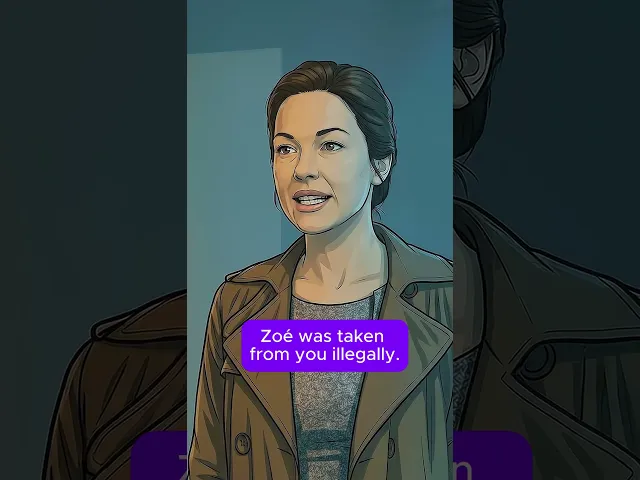
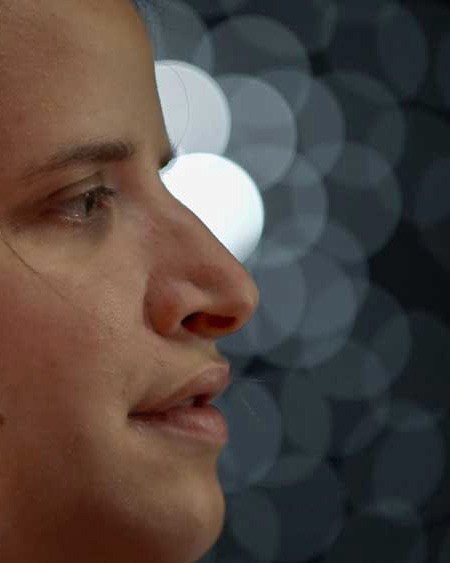
Based on a true story, made with AI. We created this ad for a leading Hungarian human rights organization which helps families of children who were separated from them illegally.
An unlawful trend has become part of everyday life during the Orbán era. Thousands of families were not allowed to take home their newborn baby from the hospital after birth. Authorities apply this practice mostly to lower-income families in less developed areas. It does not typically affect middle-class families.
As a result, many babies remain in the hospital while their mothers are forced to leave. These children are then placed for adoption. In some cases, they are taken into state care. Hungarian media is currently full of reports about how some of these children have been exposed to abuse by the very people who were supposed to protect them.
Our client, the Hungarian Civil LIberties Union (TASZ), provides free legal assistance to affected families and reunites children with their biological parents. They are currently running a donation campaign, and we created this video for that effort.
Our idea was to rethink their communication strategy. Typically, they explain their work through videos featuring people speaking directly to the camera. We proposed a short animation that tells a real story and shows how these situations unfold.
We selected one case and spoke with the parents involved, and consulted the lawyer who helped the family reunite with their child. The result is a one-minute video.
AI is a particularly powerful tool for telling stories that cameras could usually not capture—like this one. Our goal was to profoundly expose how inhuman this story is, and mobilize the audience with it.
Category:
Fundraising Campaign Film
Client:
Hungarian Civil Liberties Union
Duration:
5 weeks
Location:
Budapest, Hungary
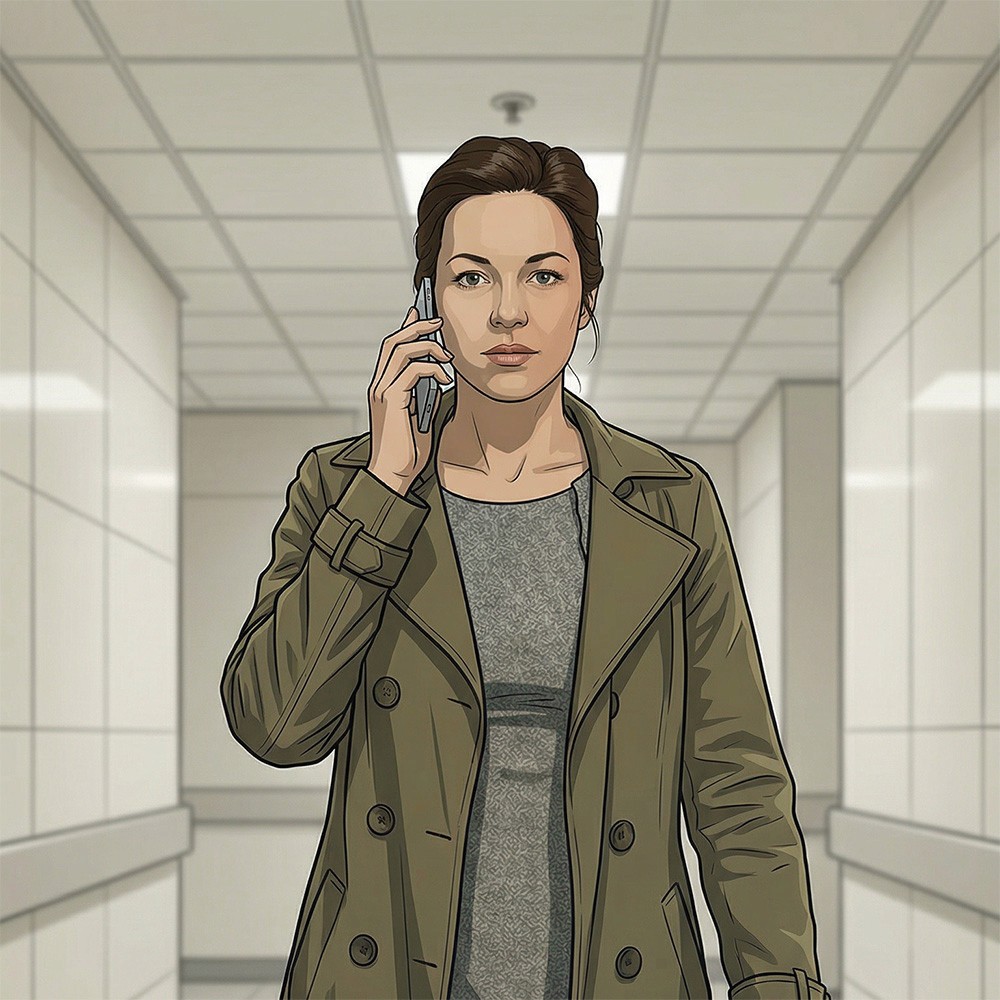
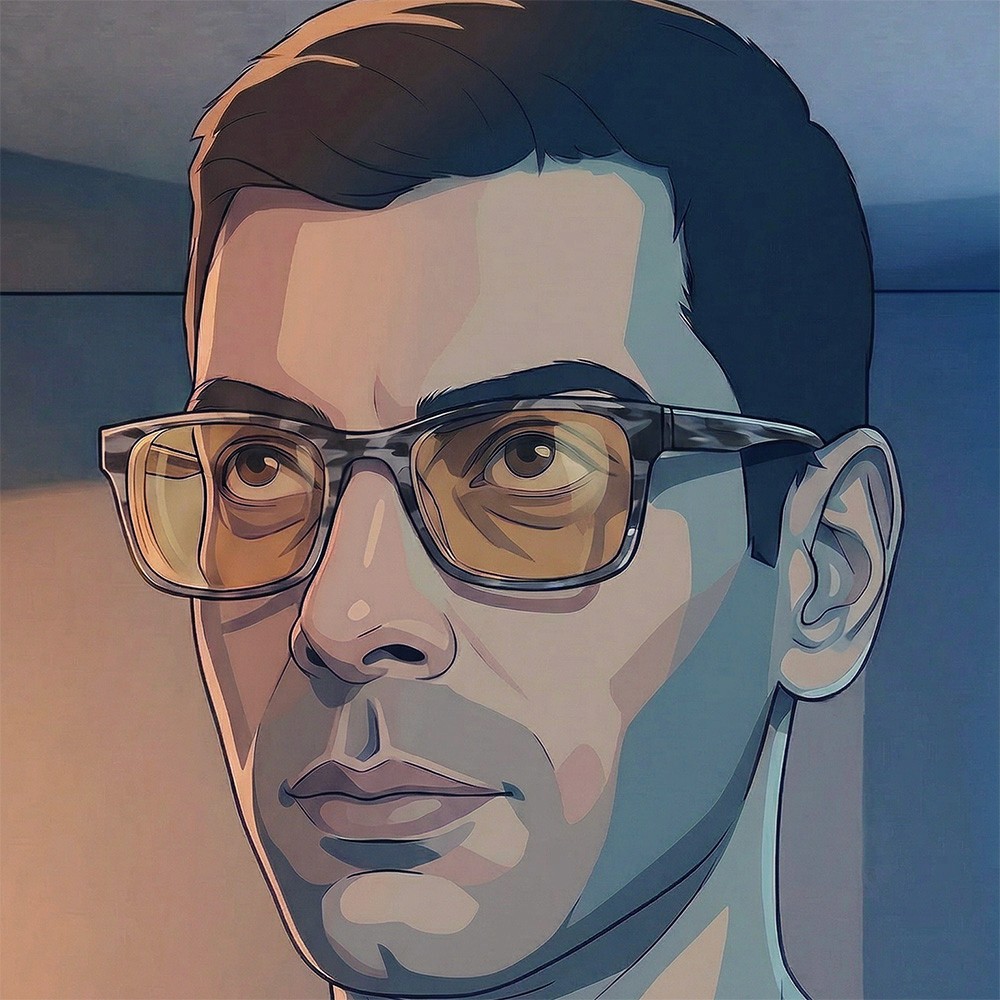
Based on a true story, made with AI. We created this ad for a leading Hungarian human rights organization which helps families of children who were separated from them illegally.
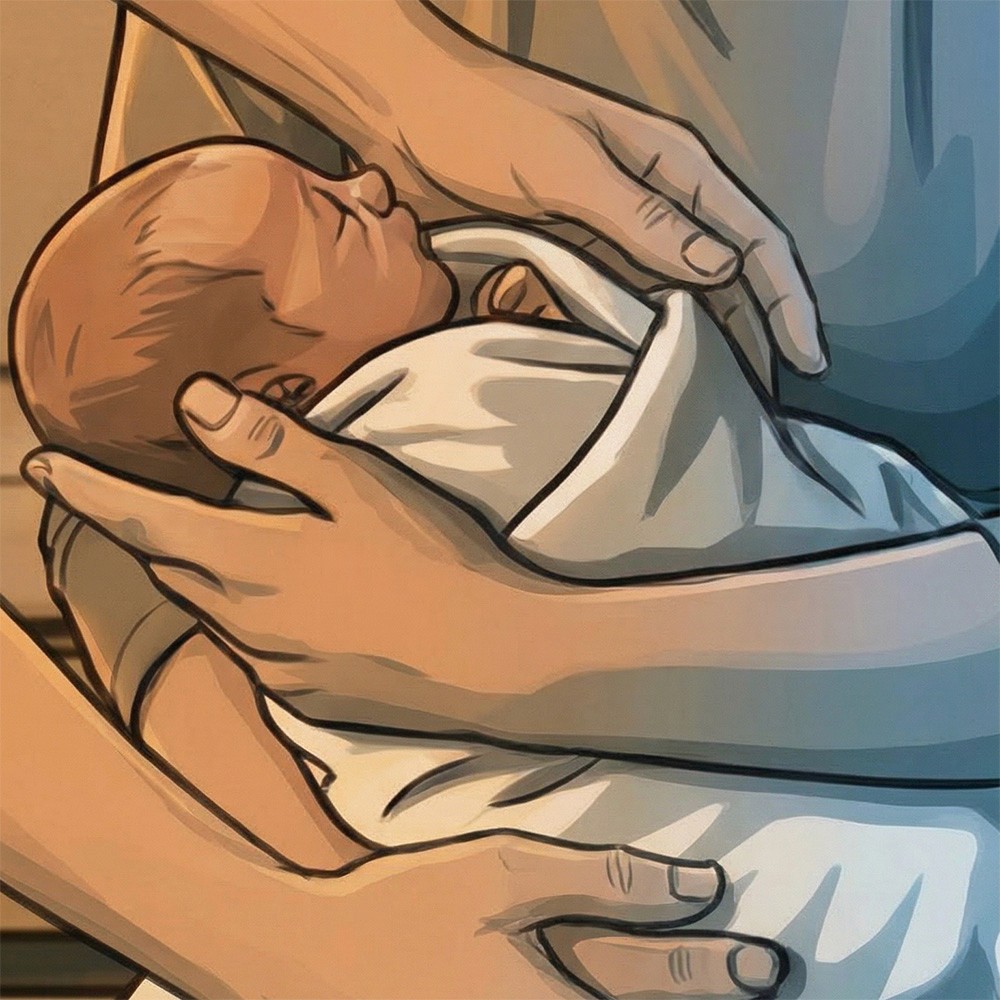
An unlawful trend has become part of everyday life during the Orbán era. Thousands of families were not allowed to take home their newborn baby from the hospital after birth. Authorities apply this practice mostly to lower-income families in less developed areas. It does not typically affect middle-class families.
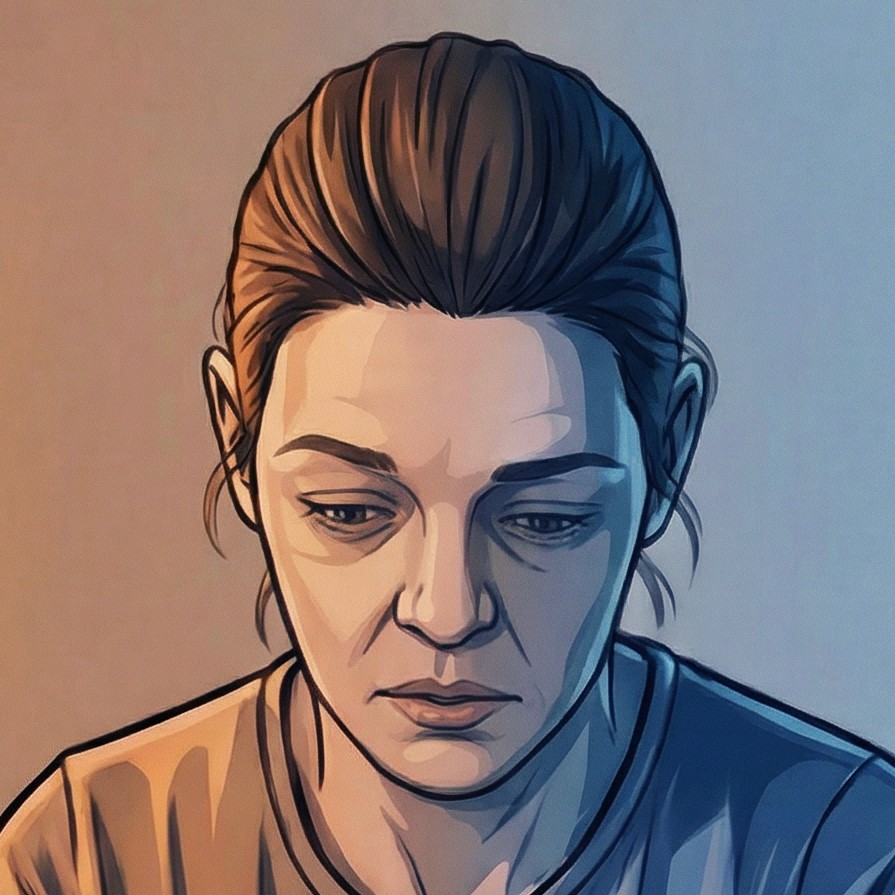
As a result, many babies remain in the hospital while their mothers are forced to leave. These children are then placed for adoption. In some cases, they are taken into state care. Hungarian media is currently full of reports about how some of these children have been exposed to abuse by the very people who were supposed to protect them.
Our client, the Hungarian Civil LIberties Union (TASZ), provides free legal assistance to affected families and reunites children with their biological parents. They are currently running a donation campaign, and we created this video for that effort.
Our idea was to rethink their communication strategy. Typically, they explain their work through videos featuring people speaking directly to the camera. We proposed a short animation that tells a real story and shows how these situations unfold.
We selected one case and spoke with the parents involved, and consulted the lawyer who helped the family reunite with their child. The result is a one-minute video.
AI is a particularly powerful tool for telling stories that cameras could usually not capture—like this one. Our goal was to profoundly expose how inhuman this story is, and mobilize the audience with it.
Category:
Fundraising Campaign Film
Client:
Hungarian Civil Liberties Union
Duration:
5 weeks
Location:
Budapest, Hungary
More Works©
More Works©

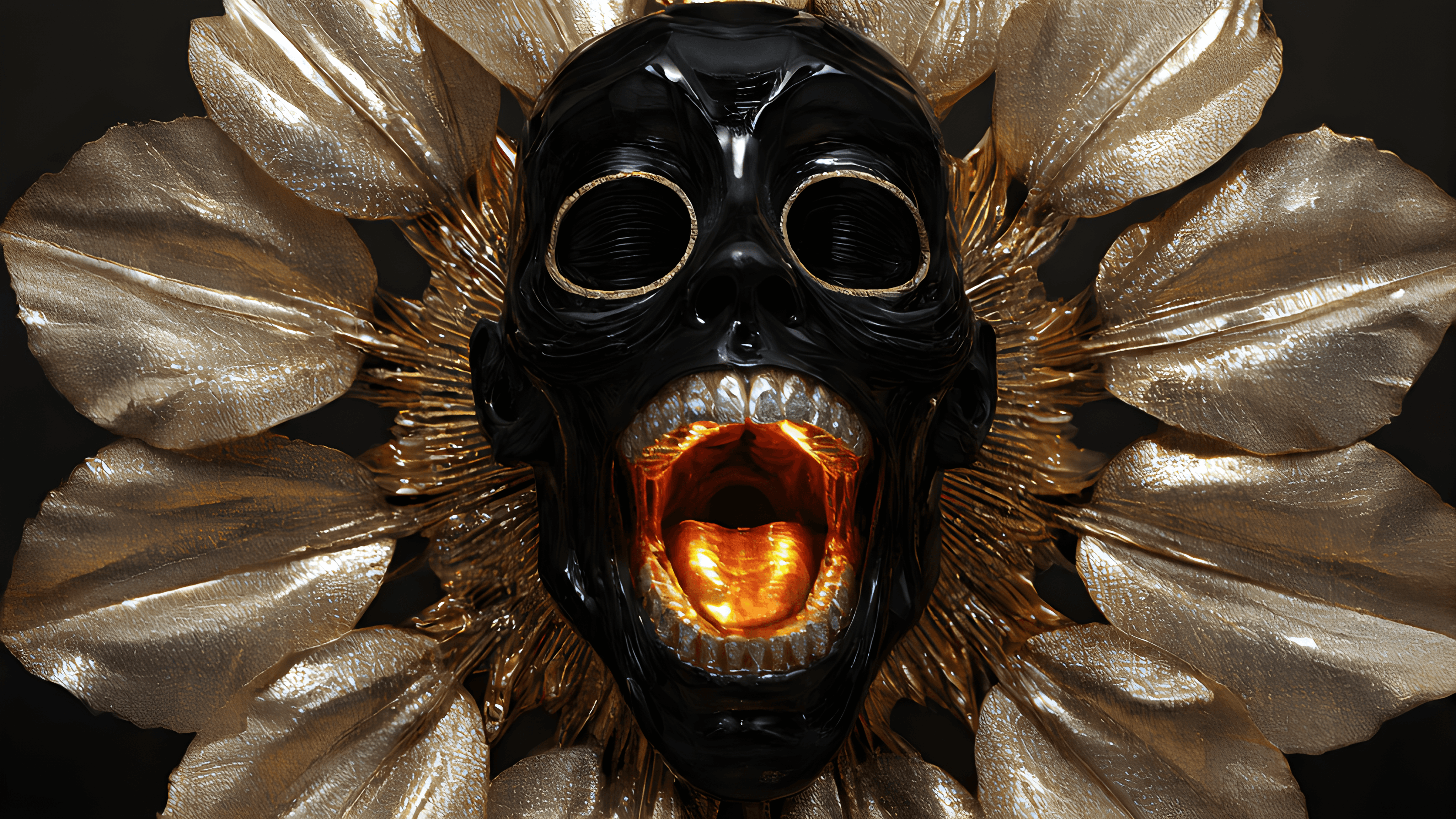
Rozenta Party hosted by Travis Scott
Rozenta Party hosted by Travis Scott
(04)
Concert and Party Visuals
Rozenta Party hosted by Travis Scott
Rozenta Party hosted by Travis Scott
(04)
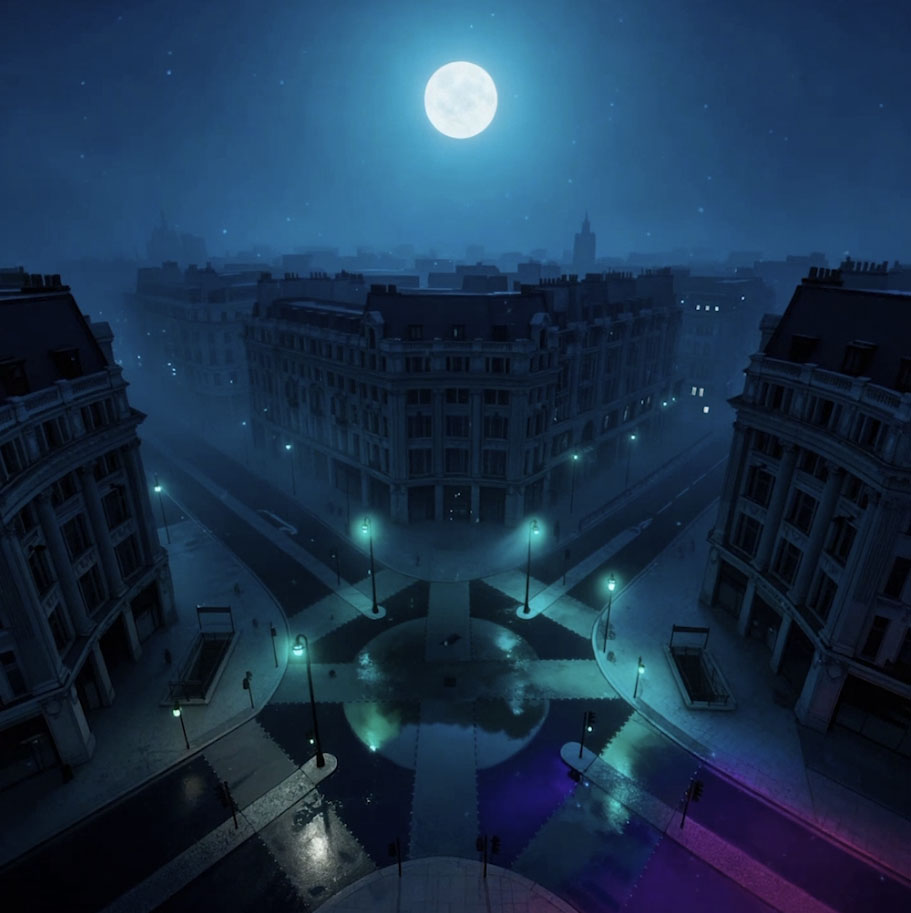
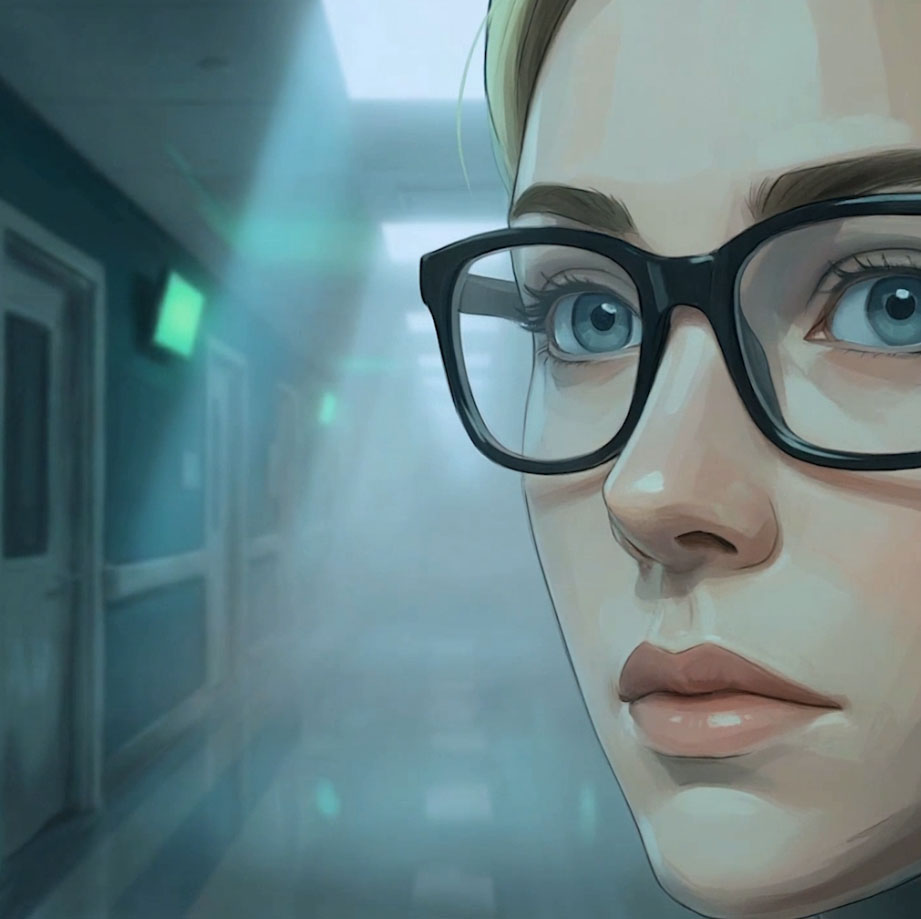
The Lawyer Who Helped Me Survive
The Lawyer Who Helped Me Survive
(03)
Story-Driven Advocacy Film
The Lawyer Who Helped Me Survive
The Lawyer Who Helped Me Survive
(03)
© Selected Works こんにちは
Digital Designer
© Help Center ヘルプ
(WDX® — 01)
Clarifications
© Help Center ヘルプ
Clarifications
© Help Center ヘルプ
Clarifications
FAQ.
How we work?
01
What sectors are you specialized in?
02
What services do you provide?
03
How do projects usually start?
04
How do you develop creative concepts?
05
Do you work internationally?
06
How is your team structured?
What sectors are you specialized in?
What services do you provide?
How do projects usually start?
How do you develop creative concepts?
Do you work internationally?
How is your team structured?